In Jacobi’s global community, there’s always a festival taking place. Each one reflects traditions and customs that are important to that specific country. But what happens on these special days? And which one should you experience if you have the chance? We asked colleagues around the world a simple question: If you were to invite a friend to a celebration in your country, which would you choose?

Chinese Spring Festival
Hillary Liu, Human Resources Manager, Jinnan, China.
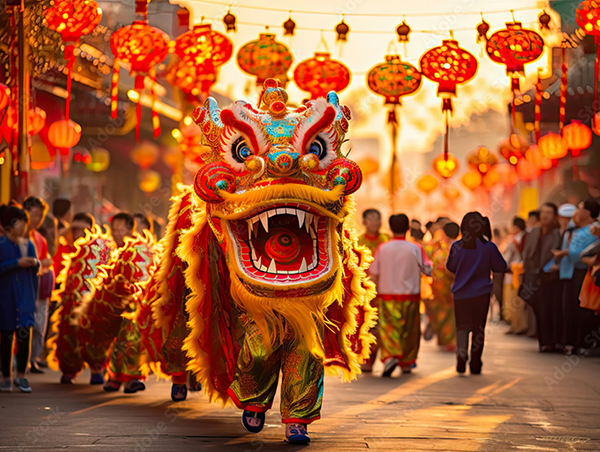
The first mention of celebrating the start of a new year was recorded during the Han dynasty (202 BC – 220 AD).
“I think the Spring Festival is the most unique and culturally meaningful public holiday in China, combining elements of Christmas and New Year in Western culture. Usually, it takes place between late January and mid-February.
During the festival, you can experience rich traditions such as family reunion dinners, making and eating dumplings, and receiving red envelopes (hongbao) with lucky money. There are also lion and dragon dances, fireworks, lantern displays, and the tradition of placing couplets on doors.
It’s a once-a-year opportunity to experience the strong sense of family, tradition, and festive atmosphere that is truly unique to China. I hope you have the chance to visit and experience it yourself.”
Sinhala and Tamil New Year in Sri Lanka
Iresha Surangi, Human Resources Assistant Manager, Manisha, Sri Lanka.
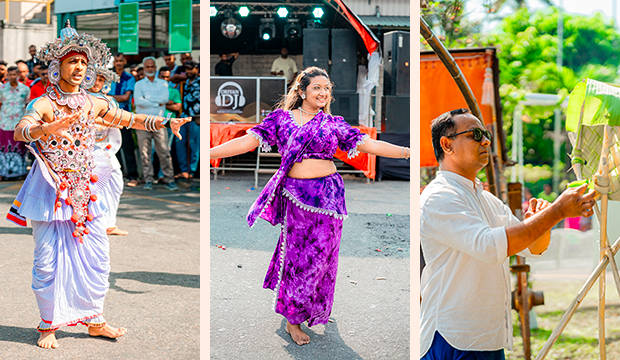
Celebrations from the Sinhala and Tamil New Year in 2025 at our factory in Sri Lanka. The ceremony began with the traditional milk-boiling ritual, performed according to religious custom. The event also featured a variety of entertainment, including dance performances by our team members.
“I would choose the Sinhala and Tamil New Year. It brings families together, celebrates traditions, and marks the beginning of a new year according to the traditional solar calendar. It is also unique because both the Sinhala and Tamil communities celebrate it together, showing cultural unity.
During this time, villagers prepare traditional sweets at home. Every household lights the hearth and cooks milk rice at the same auspicious time. People eat their meals together according to the traditional schedule and dress in specific colours for good fortune. Families also share New Year foods with neighbours and relatives.
In addition, villages and communities organise fun activities and traditional games. The festival includes family gatherings, traditional foods, religious observances, and community celebrations, making it one of the happiest holidays in Sri Lanka.”
Christmas Holidays in The Philippines
Anna Campo, Admin Officer, Jacobi Carbons Philippines.
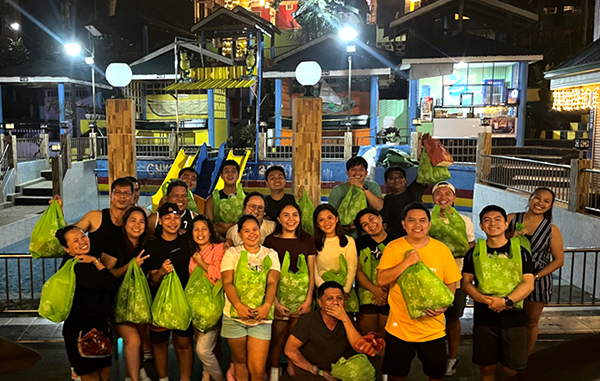
The team enjoy themselves at last year's Admin Christmas Party. Anna is in the middle, wearing shorts.
”I would invite a friend from outside the Philippines to a visit during the Christmas holidays. Christmas in the Philippines is not only about celebrations and decorations, but also about the joy, warmth, and traditions that make the season truly special.
During Christmas, the whole country feels alive. Streets are filled with colourful lights, lanterns, and Christmas music, creating a joyful atmosphere everywhere. What makes Christmas in the Philippines even more meaningful is the hospitality of the Filipino people. We are known for warmly welcoming guests, especially during the holidays, and I am sure that my visitor will be treated like family.
Christmas is also the celebration of the birth of Jesus Christ. As Filipinos, we remain consistent in keeping Christ as the centre of the season. We attend church, pray, and reflect on the true meaning of Christmas: love, hope, and faith.”
Lunar New Year in Vietnam
Nguyễn Thị Kim Yến, Human Resources Officer, Ben Tre Province, Vietnam.
“I would choose the Lunar New Year (Tết), when the S-shaped land is at its most vibrant and warm. Visiting Vietnam during this time, you would not simply be a tourist, but rather a member of a Vietnamese family.
Our journey would begin with us going shopping for Tết together among the pink peach blossom and yellow apricot forests, then choose kumquat trees heavy with fruit to decorate the house. You would experience the tradition of worshipping the Kitchen Gods, releasing carp to send them back to heaven, and gathering with my family around a warm fire late into the night to wrap Banh Chung and Banh Tet.
When New Year’s Eve arrives, the sky will burst into dazzling fireworks. I would invite you to practice the tradition of Khai bút – writing the first lines of the year to express hopes for wisdom and good fortune. We would wear traditional Ao Dai to visit relatives, receive red lucky envelopes, and enjoy a festive meal filled with sweet, candied fruits, braised pork, and pickled onions. You could also ask calligraphers for lucky characters, watch the vibrant lion dances in the streets, or join traditional folk games such as tug-of-war and bamboo swings amid joyful cheers."
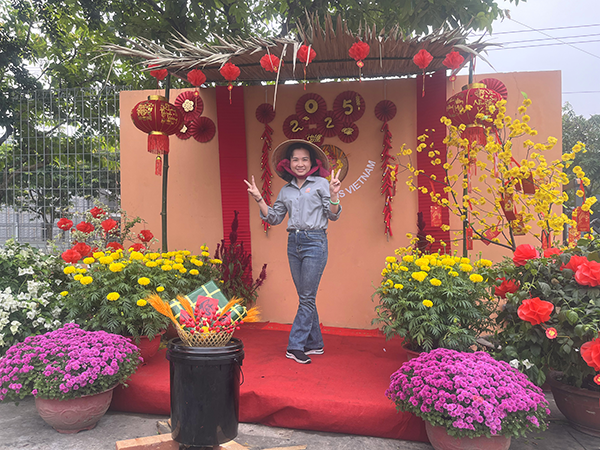
Our factory in Vietnam usually sets up a check-in area decorated for the Tet holiday. This is a place where all employees can take photos.
Pongal Festival in India
Berin Abraham, Human Resources Executive
at Jacobi Group, Coimbatore, India.
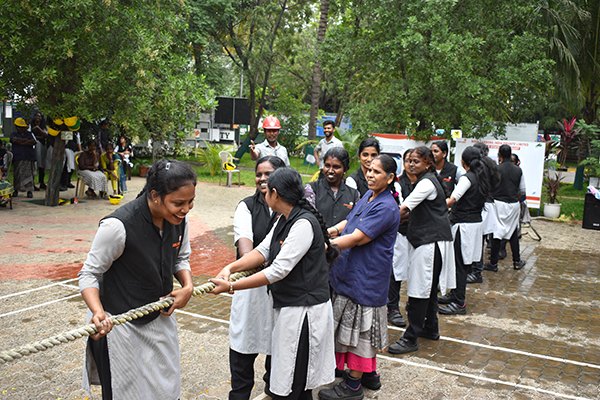
At our company celebrations, a tug-of-war competition was conducted between two teams, encouraging teamwork and active participation.
“I would choose the Pongal festival, which is one of the most important harvest festivals in Tamil Nadu, India. Pongal is celebrated for three days, each with its own significance.”
First day – Bhogi: On this day, people clean their homes and discard old, unwanted items to mark a fresh start.
Second day – Thai Pongal: The main day of the festival. People cook a traditional dish called Pongal and offer prayers to the Sun God to thank nature for a good harvest. In our company, we celebrate by organising various fun games and activities for employees, making it a joyful and engaging celebration.
Third day – Mattu Pongal: On this day, people worship and honour cattle, especially bulls and cows, as they play an important role in agriculture.
Midsummer's Eve in Finland
Magnus Fagerstedt, Managing Director at Finex, Finland.
“If I were to invite a friend from abroad to a holiday in my country, I would definitely choose Midsummer, which we celebrate at the end of June. It’s one of the most special and beloved celebrations in Finland.
I would choose Midsummer because it perfectly captures the essence of the Finnish summer. The days are almost endless, and the atmosphere is both peaceful and joyful. I love celebrating it in the archipelago with friends, surrounded by nature and the sea.
During Midsummer, people usually gather at summer cottages, spend time outdoors, and enjoy simple but delicious seasonal food. We eat new potatoes, smoked fish, and fresh strawberries, often with a glass of something refreshing. Many also light bonfires, go to the sauna, and maybe take a swim if the weather allows. It’s a time to relax, connect with nature, and enjoy the light-filled nights together.”
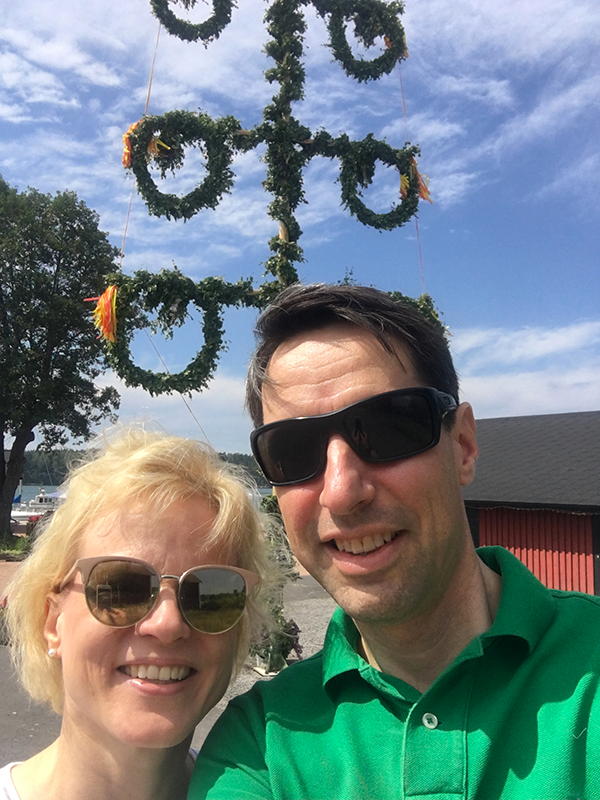
Magnus and his partner Maarit at their local Midsummer celebration in the small village of Bromarv in south-west Finland.
Oktoberfest in Germany
Sandra Schank, Finance Manager, Frankfurt, Germany.
Oktoberfest is free to enter and spans a huge area, equivalent to 60 football fields.
“I would invite someone to celebrate Oktoberfest in Munich. It’s not a public holiday, but the world’s largest folk festival, held annually from late September to early October. It began in 1810 as a royal wedding celebration and has since become a global symbol of Germany’s culture and traditions.
Today, it’s another type of party. People from around the world gather in large beer tents to enjoy traditional music, food, and famous German beer. The festival attracted around 6.5 million visitors over the 16 days in 2025. The men often wear lederhosen (very charming short leather trousers), and the women wear dirndls (traditional South German and Austrian women’s dresses), adding to the atmosphere. Beyond beer, the festival features rides, parades, and family-friendly activities. At its heart, it’s a celebration of community, bringing people together for what many people consider the best party in Germany.”
Chinese New Year in Malaysia
Jean Lee, Human Resources Executive, Penang, Malaysia.
“If I were to invite a friend from abroad to Malaysia, I would choose the Chinese New Year. This is because it is one of the most vibrant and culturally rich festivals in the country, especially in Penang, which has a large Chinese community.
During Chinese New Year, families and friends come together to celebrate. Homes and workplaces are decorated with red lanterns and festive ornaments, and people exchange ang pows (red envelopes with money) as a symbol of good luck and prosperity. There are also lively lion dances, lou sang sessions, street markets, and many festive foods such as nian gao (rice cake) and traditional Chinese New Year cookies like pineapple tarts, kuih kapit (thin and crispy festive cookies), and bak kwa (sweet and savory Chinese-style barbecued meat), among many others.
It is a wonderful opportunity for my friend to experience Malaysia’s multicultural traditions and enjoy the festive atmosphere.”
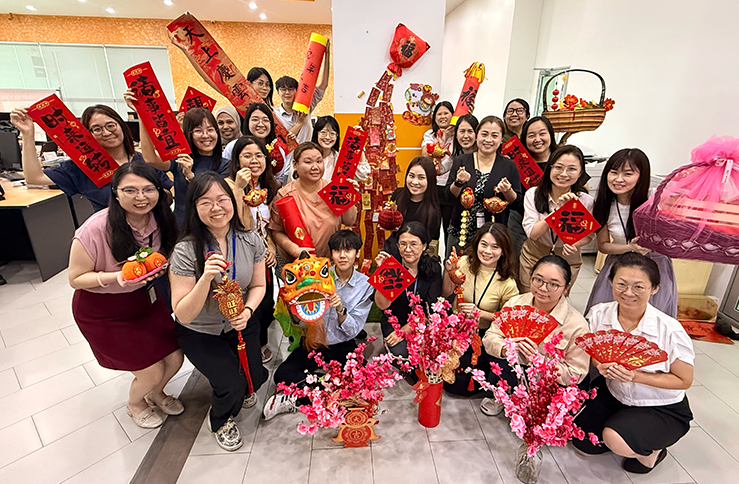
Jean Lee to the right in the second row, together with some of her team in Malaysia.
Saint Lucia’s Day in Sweden
Jessica Rosengren, Sales Support at HQ, Kalmar, Sweden.
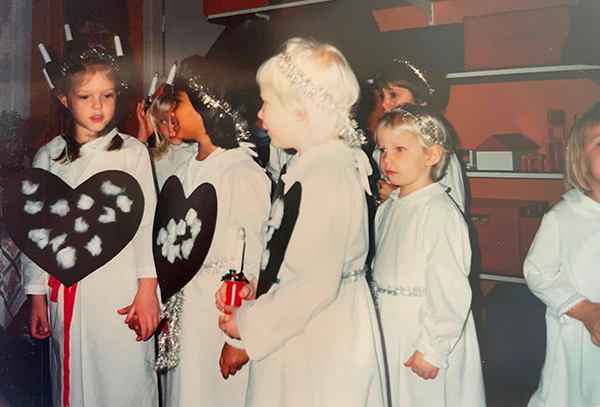
Jessica to the left, in a St Lucia procession.

Jessica Rosengren, Sales Support, Kalmar, Sweden
“I know many Swedes would choose Midsummer, but I also like Saint Lucia’s Day. It’s a very atmospheric celebration. All over Sweden, St Lucia processions are held, with people dressed in special white costumes singing traditional songs. This tradition is associated with Saint Lucia of Sicily and is celebrated in Sweden on December 13th to bring light into the darkness. Historically, this marked the beginning of the Christmas fast. It reminds me of when I was little and took part in various Lucia celebrations and processions myself.”
Bastille Day in France
Mai Nguyen Customer Service Manager, Vierzon, France.
“I would choose Bastille Day, which takes place on July 14th. It marks the storming of the Bastille prison in 1789, a key moment in the French Revolution. Bastille day is a very important national holiday that represents French history, culture, and values such as freedom and unity. It is also a great opportunity for visitors to experience France at its most festive.
On Bastille Day, there are military parades, especially the famous one on the Champs-Élysées in Paris, attended by the President. In the evening, people gather to watch fireworks, and many cities organise concerts, and public celebrations. One is “Firemen’s Balls” (Bals des pompiers), where local fire stations turn into lively dance parties. The atmosphere is joyful, patriotic, and very lively, making it a memorable experience for visitors. ”

At Bastille Day, the national holiday of France, the country turns to a lively mix of parades and parties.
Thanksgiving in the US
Melissa Serror, Human Resources Director, Columbus Ohio, USA.
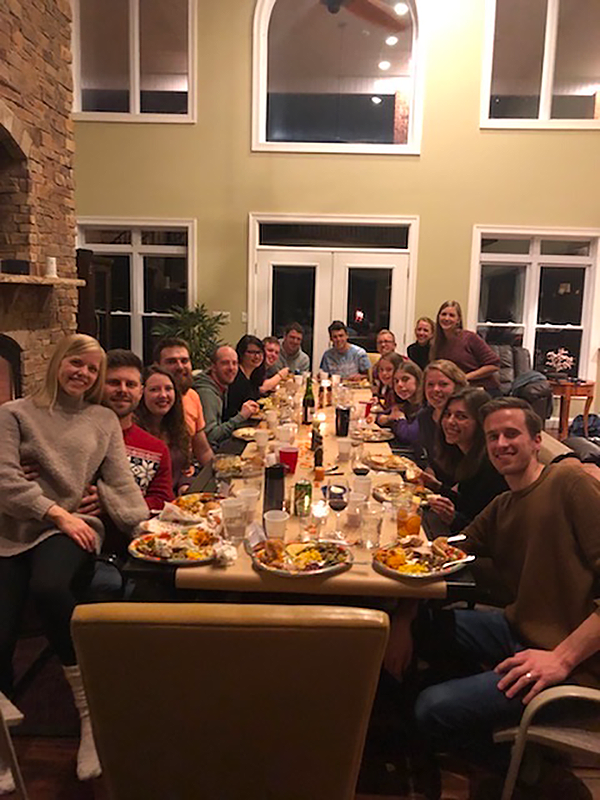
Jim (President Americas) and Linda Knepper’s thanksgiving table with all the family.
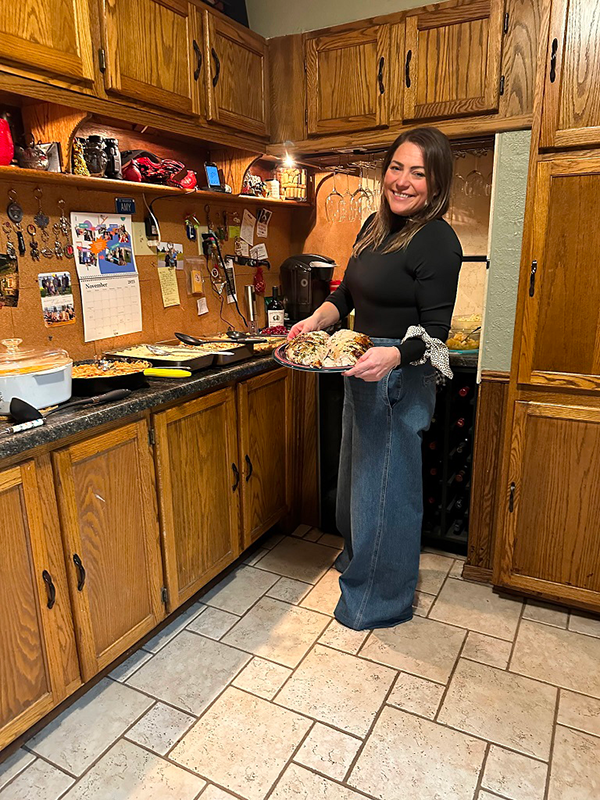
Dana Matthews, Sales Manager, in her kitchen at Thanksgiving.

Melissa Serror, HR Director
“If I were to invite a colleague from one of our international companies to participate in a holiday celebrated in the Americas, I would invite them to celebrate Thanksgiving. Thanksgiving is one of my favourite holidays because it brings people together in many ways. While it has historical and religious roots, for many families it is simply a time to gather, enjoy food, and express gratitude for the people and blessings in our lives.
As a Puerto Rican American, my family celebrates with traditional Puerto Rican foods like ripe plantains, and pork roast along with turkey and traditional dressing and pumpkin pie. On my husband’s side, we also enjoy Polish foods like pierogies and Kielbasa (Polish sausage). I love that every household celebrates Thanksgiving differently, with each family bringing their own culture and traditions to the table.
Thanksgiving is also part of a long weekend, which gives families time to reconnect, enjoy leftovers, watch American football, decorate Christmas trees, and begin holiday shopping. One of my favourite traditions is when both kids and adults share what they are thankful for. It is a meaningful reminder to appreciate both the big and small blessings in life.”
Fiestas del Pilar in Spain
Alejandro Rodríguez, Site Manager at Jacobi Carbons, Calatayud, Spain.
“A foreign friend who would like to truly experience Spain should come to Zaragoza on October 12th. It’s the main day of the Fiestas del Pilar, when the whole city comes alive. Although it’s Spain’s National Day, in Zaragoza it is above all a huge popular celebration filled with music, colour, and tradition. For more than a week, the city turns into one big open-air festival, with concerts, parades, fireworks, traditional dancing, food stands, and an incredible atmosphere in every street and square.
The most moving moment is the Flower Offering in front of the Basilica of Our Lady of the Pillar. Tens of thousands of people walk through the city dressed in traditional costumes, carrying flowers arranged into a huge floral mantle. What makes it truly special is its international spirit: groups from across Spain and many Latin American countries take part, wearing their own traditional dress and sharing their culture.
It’s not just a religious celebration; it’s a powerful expression of identity, community, and joy. On that day, Zaragoza doesn’t just celebrate, it shines.”
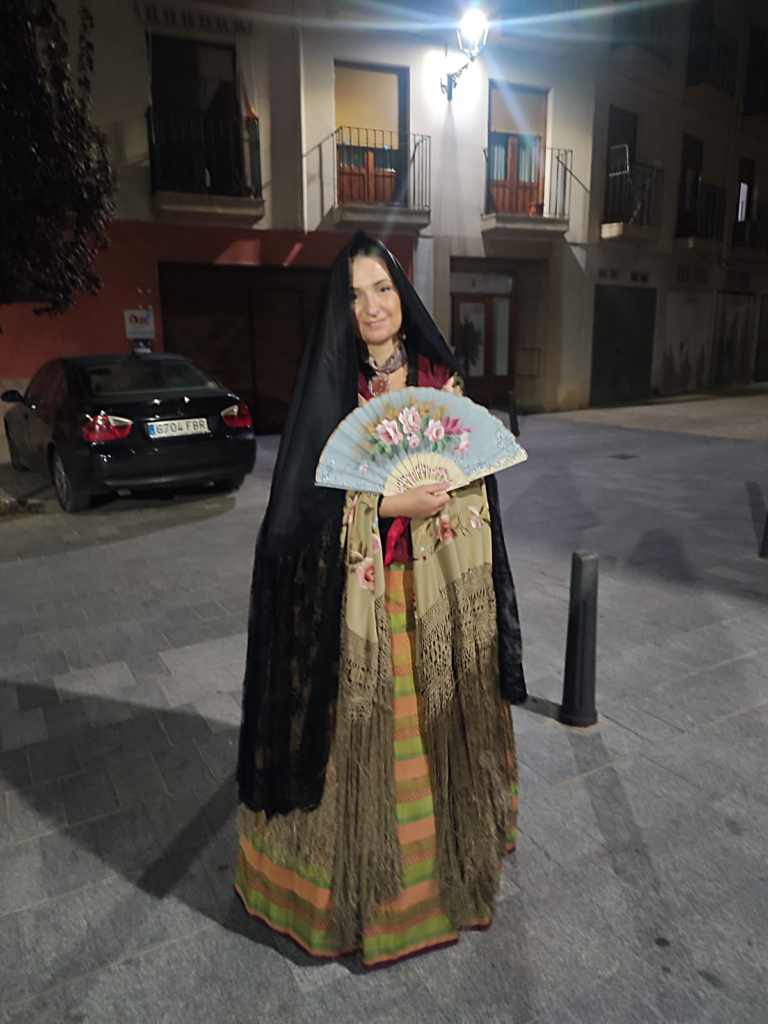
Silvia Ibañez, Customer Service, dressed up for the celebrations.
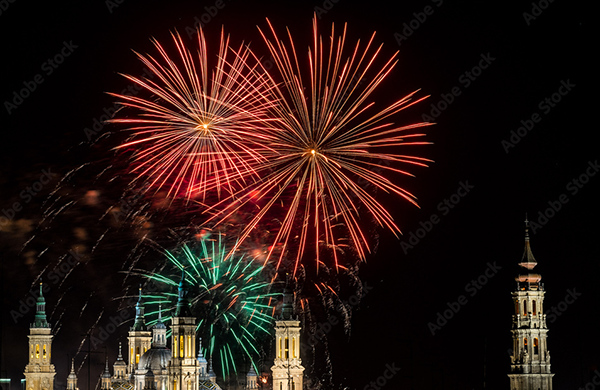
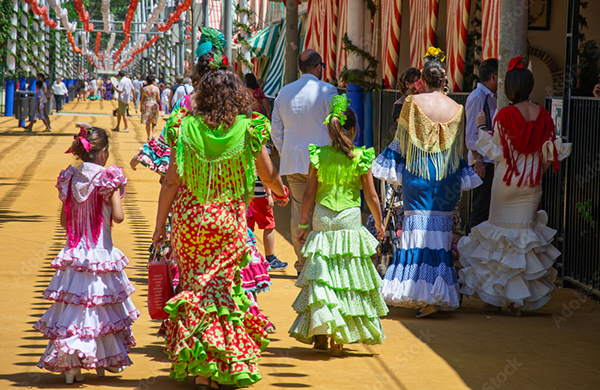
For many people in Zaragoza, this the most important and emotional time of the year.
Idul Adha in Indonesia
Niwang Widy Astuti, Administration Officer, Surabaya, Indonesia.
Niwang Widy Astuti
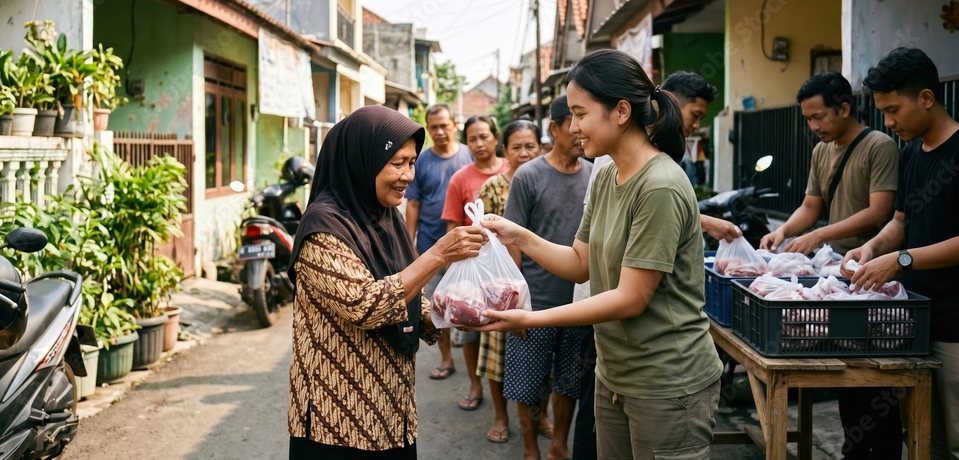
"In Indonesia, we have a special holiday called Idul Adha, also called Feast of Sacrifice. It’s mostly celebrated by Muslim people, but I would also be glad to invite others to celebrate.a